Buyer's Guide: The 5 Best Mobile Phones In The Market Today
Introduction
Choosing a new smartphone is as much about lifestyle fit as it is about raw specifications. Buyers often juggle camera quality, battery life, performance, software support, and price—and those priorities shift depending on how a device will be used. This guide examines five standout phones that represent different points on the value and performance spectrum: Xiaomi 17, OnePlus Nord 5, Samsung Galaxy S25 Fe, Motorola Edge 60 Pro, and Motorola Moto G Power 2026. Each model is evaluated for real-world use cases such as daily productivity, mobile photography, gaming, travel, and budget-conscious longevity, with clear pros and cons to help buyers decide which device best meets their needs.
How this guide helps
The reviews focus on what everyday users care about: endurance in a full day of mixed use, camera behavior in typical lighting, software updates and support, and how a phone fits into common routines like commuting, remote work, and content creation. A comparison table is provided for quick reference, followed by a buying guide that explains which features matter most for specific users.
Detailed Reviews
Xiaomi 17
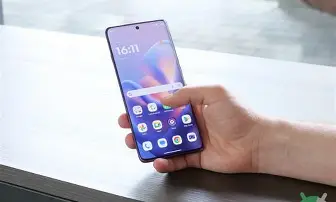
The Xiaomi 17 targets buyers who want flagship performance without always paying flagship premiums. It balances a high-refresh OLED display, a capable camera array, and a chipset designed to handle multi-tasking and gaming. In daily life, the Xiaomi 17 shines for users who switch rapidly between apps, stream video, and want a bright, color-accurate screen for navigation or media.
Key real-world strengths include fast charging that allows short top-ups during lunch breaks, a display that remains readable outdoors on bright days, and reliable multitasking for productivity apps. Camera software prioritizes vivid colors and quick shot-to-shot capture, which helps when capturing moments on the go.
- Pros:
- Excellent performance for demanding apps and gaming
- Vibrant OLED display with high refresh rate
- Rapid charging capability
- Good value relative to flagship competitors
- Cons:
- Software updates can vary by region
- Camera can prioritize saturation over natural tones in some modes
- Design may feel familiar rather than premium to some users
OnePlus Nord 5
The OnePlus Nord line is built around a clean software experience and smooth performance. The Nord 5 caters to users who want a fast, fluid daily phone with a friendly user interface and long-term usability. It is particularly suited for commuters and young professionals who value snappy app transitions, reliable battery life, and a camera system that performs well across social media scenarios.
OnePlus focuses on software polish, so everyday interactions—typing, social sharing, and media consumption—feel responsive. The phone tends to hold up well for users who like to keep multiple apps open and appreciate gestures and UI simplicity. Photography is solid for daytime shots and social sharing, and the company typically supplies useful camera modes for portraits and low light.
- Pros:
- Smooth, well-optimized user experience
- Balanced performance with energy efficiency
- Clean UI with useful customization options
- Good value in the mid-range segment
- Cons:
- Camera hardware is capable but not class-leading
- Fewer premium materials compared with top-tier flagships
- Network band support can vary across regions
Samsung Galaxy S25 Fe
The Samsung Galaxy S25 Fe is the "fan edition" model designed for those who want the Samsung ecosystem, reliable software support, and balanced flagship features. This device suits users who rely on Samsung services or want dependable long-term updates and security patches. It also appeals to people who prioritize consistent camera performance and color-accurate displays for photo editing or streaming.
In real-world use the S25 Fe is a dependable daily driver—solid battery life, a camera system that handles portraits and night shots with consistent results, and a display that offers accurate color reproduction. Samsung's software and ecosystem integration make this a good choice for those invested in cloud backups, wearables, and smart home continuity.
Shop the latest Mobile Phones picks on Amazon.
See Deals →- Pros:
- Strong software support and regular updates
- Consistent, well-tuned camera performance
- Excellent display quality for media and editing
- Good balance of features and price for a flagship-lite device
- Cons:
- Price can be higher than some mid-range alternatives
- One UI includes many preinstalled features some users may not use
- Charging speeds may lag behind some competitors
Motorola Edge 60 Pro
The Motorola Edge 60 Pro focuses on delivering a near-flagship experience with a particular emphasis on a clean Android feel and a curved display aesthetic. This model is ideal for users who want a stylish device suitable for media consumption, casual gaming, and reliable daily performance without the heaviest software overlays.
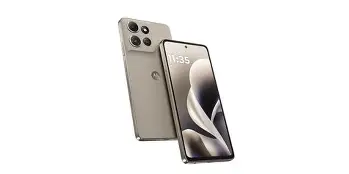
Everyday scenarios where the Edge 60 Pro stands out include long streaming sessions thanks to an immersive display, and comfortable one-handed operations due to optimized ergonomics. Camera performance is competitive in daylight, and the phone typically offers long-screen uptime for users who travel or work away from outlets.
- Pros:
- Attractive design with immersive curved display
- Balanced performance for daily tasks and gaming
- Clean, near-stock Android experience
- Comfortable ergonomics for extended use
- Cons:
- Curved displays can be prone to accidental touches
- Camera low-light performance is good but not class-leading
- Update cadence may not match the very top-tier brands
Motorola Moto G Power 2026
The Moto G Power 2026 is a value-focused phone that appeals to buyers looking for excellent battery life and straightforward functionality. It is the go-to for users who prioritize longevity and budget-friendliness—students, seniors, or anyone who relies on their phone for essentials without heavy gaming or professional photography needs.
Real-world strengths include multi-day battery endurance under light to moderate use, a simple interface that is easy to learn, and sturdy build quality for everyday handling. It makes an excellent secondary device for travel or a primary phone for those who prefer fewer features but reliable performance.
- Pros:
- Exceptional battery life for extended use
- Affordable price point with practical features
- Simple, user-friendly software
- Durable enough for everyday handling
- Cons:
- Performance is modest compared with mid-range and flagship devices
- Camera quality is functional but not competitive for enthusiasts
- Fewer advanced features and slower updates
Comparison Table
| Model | Best for | Display | Battery & Charging | Camera Highlights | Value Tier |
|---|---|---|---|---|---|
| Xiaomi 17 | Performance-focused users, mobile gamers | High-refresh OLED, bright & color-accurate | Fast charging, full-day use | Versatile main sensor, vivid imaging | Upper mid-range / flagship value |
| OnePlus Nord 5 | Smooth UI lovers, mid-range performance | AMOLED, smooth refresh | Good endurance, efficient charging | Social-media-ready shots, reliable daytime photos | Mid-range |
| Samsung Galaxy S25 Fe | Samsung ecosystem users, long-term support seekers | Excellent AMOLED, accurate colors | All-day battery, moderate charging speeds | Consistent low-light and portrait performance | Premium / flagship-lite |
| Motorola Edge 60 Pro | Design-conscious users, media consumers | Curved OLED, immersive viewing | Solid endurance, balanced charging | Good daytime shots, decent portrait mode | Upper mid-range |
| Motorola Moto G Power 2026 | Budget buyers, battery-first users | LCD/IPS (value-optimized) | Multi-day battery life, slower charging | Functional everyday camera | Budget |
Buying Guide: How to Choose the Right Phone
When selecting a phone, buyers should match device strengths to real-life habits. Below are the most common decision criteria and how they map to typical use cases.
Performance and Processor
Buyers who multitask, edit photos or video on-device, or play demanding games should prioritize a higher-tier chipset and more RAM. The Xiaomi 17 and OnePlus Nord 5 strike strong balances between speed and efficiency for power users and gamers. For those who use the phone mainly for messaging, browsing, and light media, the Moto G Power 2026 provides sufficient performance at lower cost.
Battery Life and Charging
Battery needs vary: commuters who are away for long hours or travelers who want fewer charges per day should prioritize devices with larger batteries and energy-efficient processors. The Moto G Power 2026 is a standout for battery longevity, while the Xiaomi 17 and some OnePlus models offer faster charging for quick top-ups between meetings or during breaks.
Display and Media Consumption
Those who stream video, edit content, or use their phones as primary media devices should choose OLED displays with high brightness and color accuracy. The Samsung Galaxy S25 Fe and Xiaomi 17 both deliver excellent screens ideal for photo editing and streaming. Buyers who prefer subtlety in color reproduction should lean toward devices known for accurate displays.
Find top-rated Mobile Phones products at great prices.
Shop Amazon →Camera and Photography
Consider typical shooting scenarios: low-light nightlife, landscapes while traveling, or quick social media snaps. Cameras tuned for consistency and good night modes (like the Samsung Galaxy S25 Fe) are better for diverse conditions. The Xiaomi 17 offers aggressive processing that yields punchy images useful for social sharing, while budget models like the Moto G Power 2026 are better suited for straightforward daytime photography and documentation.
Software, Updates, and Ecosystem
Software experience affects long-term satisfaction. Buyers invested in an ecosystem—wearables, smart TVs, or home devices—may prefer a brand that integrates well with those products. Samsung is notable for extended update commitments and a broad ecosystem. OnePlus and Motorola offer cleaner or near-stock Android experiences for those who favor simplicity.
Build Quality and Durability
Durability is a practical concern for many buyers. Glass-backed flagships often look premium but can be fragile without a case. If the phone will face outdoor use or occasional drops, consider robust frames, water resistance ratings, and whether the device is commonly used with protective accessories.
Price and Value
Value is not just the purchase price—consider how long the phone will remain functional and receive updates. Devices like the Motorola Moto G Power 2026 deliver strong value for budget-conscious buyers. For those balancing cost with longevity, the OnePlus Nord 5 and Motorola Edge 60 Pro are compelling mid-range options. The Xiaomi 17 and Samsung Galaxy S25 Fe represent investments for buyers seeking near-flagship performance without the top-tier price.
Real-World Testing Tips
- Carry the phone for a day in your routine to check ergonomics and pocket comfort.
- Test photos in both bright and low-light environments to gauge camera consistency.
- Use the device for typical app workflows (email, navigation, streaming) to assess battery endurance.
- Check software gestures and customization to ensure the UI matches personal preferences.
Conclusion
There is no single "best" phone for everyone—each of the five devices highlighted here answers different priorities. The Xiaomi 17 excels for users looking for performance and quick charging. The OnePlus Nord 5 balances smooth software with strong mid-range value. The Samsung Galaxy S25 Fe is the safest choice for those who want consistent camera performance and long-term software support. The Motorola Edge 60 Pro offers a stylish, media-friendly experience with a near-stock Android feel, while the Motorola Moto G Power 2026 is ideal for buyers who want maximum battery life and simplicity at an affordable price.
Buyers should weigh which real-world scenarios matter most—long battery life, photography in varied lighting, gaming, or software longevity—and select the device that aligns best with those daily needs. By matching a phone’s strengths to one’s routine, buyers can find a device that feels less like a compromise and more like a reliable tool for everyday life.